
Subscribe to out newsletter today to receive latest news administrate cost effective for tactical data.
2478 Street City Ohio 90255
Contact Us

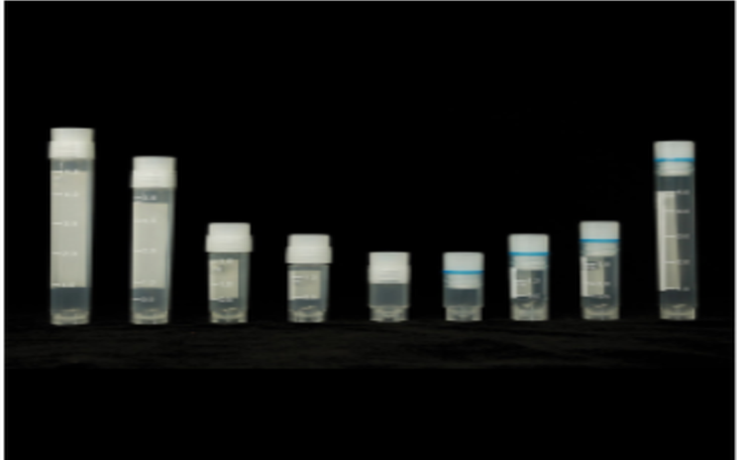
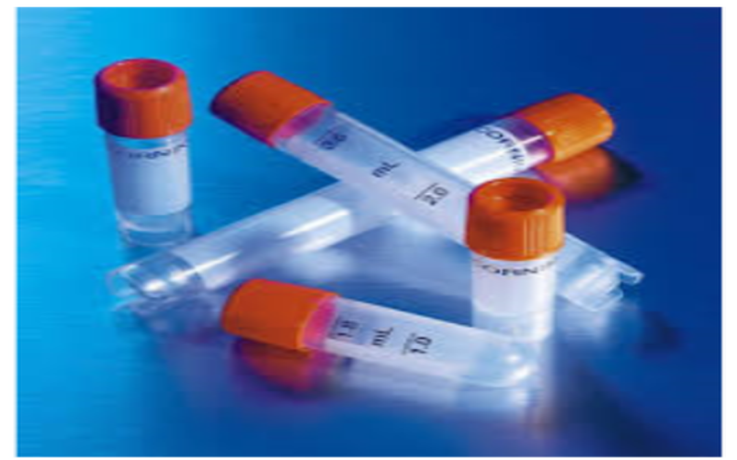
Cryo tubes are used in laboratories and research settings to safely store biological samples at extremely low temperatures, such as cells, tissues, DNA, RNA, and proteins. They are made from materials like polypropylene to withstand ultra-low temperatures, often using liquid nitrogen (-196°C) or ultra-low temperature freezers (-80°C). Their design typically includes leakproof screw caps to protect sample integrity and a special marking area for identification.
| Name | Volume |
|---|---|
| Cryo-Tubes Vol | 1.8 ml, Printed Graduation 4 ml Cryo-Tubes 5 ml Printed Graduation |

A cryovial is a specialized tube used in laboratories for storing biological samples, like cells and tissues, at extremely low temperatures, often in liquid nitrogen. These vials are made of materials like polypropylene and feature a leakproof, screw-on cap and a long writing area for sample identification. They are designed to maintain an airtight seal under cryogenic conditions to preserve sample integrity.
| Name | Volume |
|---|---|
| cryovial | 1.8 ml, 4 ml, 5 ml |
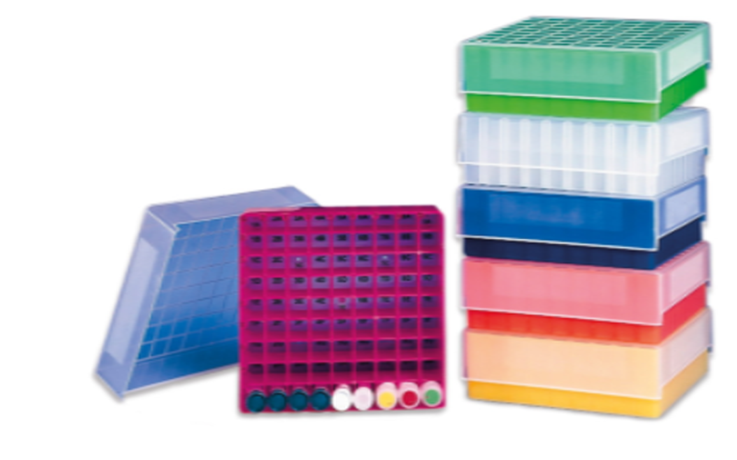
Polypropylene is a common material for cryogenic storage, available in both vials and boxes for storing biological samples at very low temperatures, often down to −196°C.
Polypropylene cryogenic products are temperature and shock-resistant, autoclavable, and chemically resistant to alcohols and mild organic solvents. While polypropylene is suitable for storage in mechanical freezers, storing boxes directly in liquid nitrogen is not recommended.

| Name | Volume |
|---|---|
| Polypropylene Cryogenic Storag | With alphanumeric label, Autoclavable, 100 wells |